
Dividend allowance changes hit investors
Analysis by HMRC suggests that millions of investors will be hit hard by the planned reductions in the dividend allowance coming into effect in April 23 and April 24.
Analysis by HMRC suggests that millions of investors will be hit hard by the planned reductions in the dividend allowance coming into effect in April 23 and April 24.

From 1st April 2023, the National Living Wage and National Minimum Wage will rise by an average of nearly 10% across the board (9.94%), helping to support the lowest paid workers but potentially causing a further burden on the businesses employing them.

Reports from the hospitality sector have shown a significant increase in the number of pubs closing, amidst challenging circumstances. The research data is based on a year-on-year comparison of the number of insolvencies for pub firms and it shows a 180% increase in the last 12 months.

Our Spring 2023 tax year end newsletter can now be downloaded here.
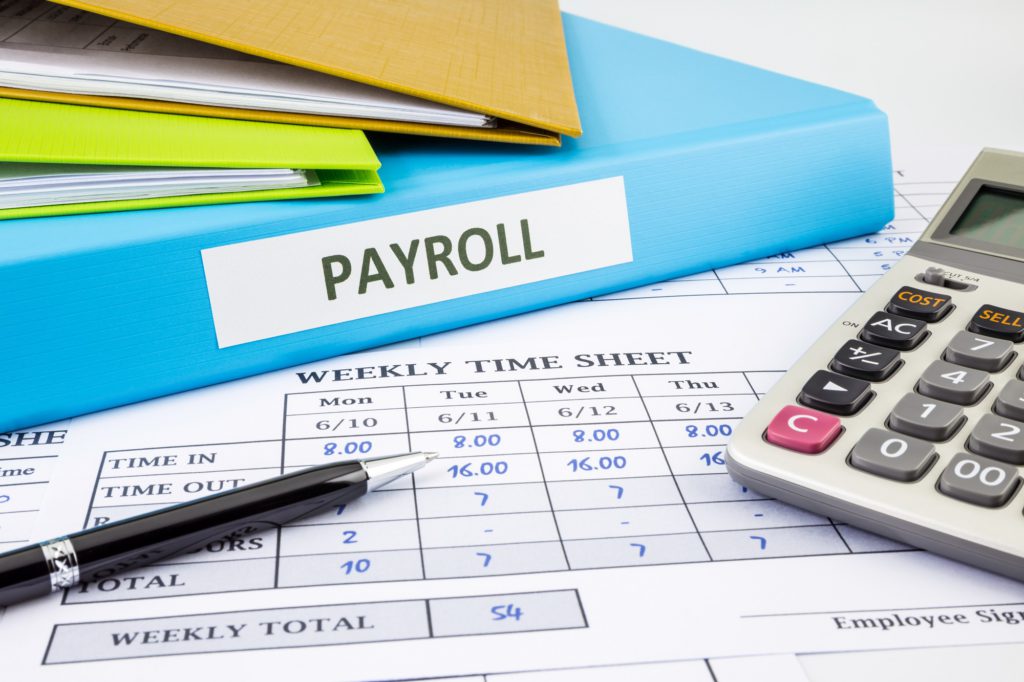
Back in October 2022, we shared the news that PAYE payments can now be paid to HMRC via Direct Debit in a similar way to VAT payments. But recent reports suggest the system is enduring some teething problems which have resulted in firms receiving incorrect penalties for non or late payment or paying twice to try and avoid penalties.

It’s now three years since the onset of covid. Little did we know that the stay at home order of March 2020 would herald the biggest shakeup of working routines and practices since the industrial revolution. Not even the invention of the computer or the internet had the same scale of impact on where and how we work.

The recent annual trading announcements from BP and Shell have highlighted why ethical or ESG focused investing is becoming a harder choice for investors. Record annual profits from both organisations have led to a boost in their share values and greater dividends for shareholders. When you’re trying to pull together a mixed portfolio of investments, this kind of trading performance is hard to ignore, especially when other organisations with an ethical remit are beginning to struggle due to economic conditions.
It may not be a question that you thought you’d have to ask yourself, but as a Director, part of your legal undertaking requires you to ensure that the business remains solvent and trades within its means. Operating outside of these boundaries could see the company being declared insolvent, struck off and you, as a Director, being penalised or disqualified – meaning you cannot be a Director again.

EBITDA or the shorter, EBIT or EBT, is a financial reporting term which identifies the profit generated from trading activities of an organisation. However, it is fundamentally different to Net Profit which states the profit left after all costs have been applied. The acronym in full is Earnings Before Interest, Taxation, Depreciation and Amortisation and whilst historically used within larger corporations, is now a relatively common reporting metric in management accounts for SMEs.

The number of companies collapsing into insolvency towards the end of 2022 increased significantly. Having already seen 1,948 businesses closing down in October, the November figure was even higher with 2029 shutting up shop. As well as showing an increasing trend for the year, these figures also represent an alarming jump year-on-year and also when we look back to pre-pandemic statistics.

We’re inundated with news about rising prices and the cost of living crisis and yet it would seem the majority remain unaware of some of the opportunities that exist to help reduce the pressure on household budgets. One notable solution being Social Tariffs.
Social tariffs are specific contracts offered by mobile phone and broadband suppliers that have lower fixed term rates. These have been negotiated on mass by the government to provide targeted help.

If you have responsibility for budgeting in your business, the events of the last couple of years will undoubtedly have kept you busy and will probably have thrown some challenges your way. You’re not alone. Businesses everywhere are struggling to set and maintain accurate budgets, beset on all sides by world events and economic trends.
So how do you budget effectively, and more to the point accurately, with so many external influences at play?