
Evans Weir Autumn 23 Tax Briefing
Our latest Autumn Tax briefing is now available to download here.
Our latest Autumn Tax briefing is now available to download here.

From 1st April 2023, the National Living Wage and National Minimum Wage will rise by an average of nearly 10% across the board (9.94%), helping to support the lowest paid workers but potentially causing a further burden on the businesses employing them.

Reports from the hospitality sector have shown a significant increase in the number of pubs closing, amidst challenging circumstances. The research data is based on a year-on-year comparison of the number of insolvencies for pub firms and it shows a 180% increase in the last 12 months.
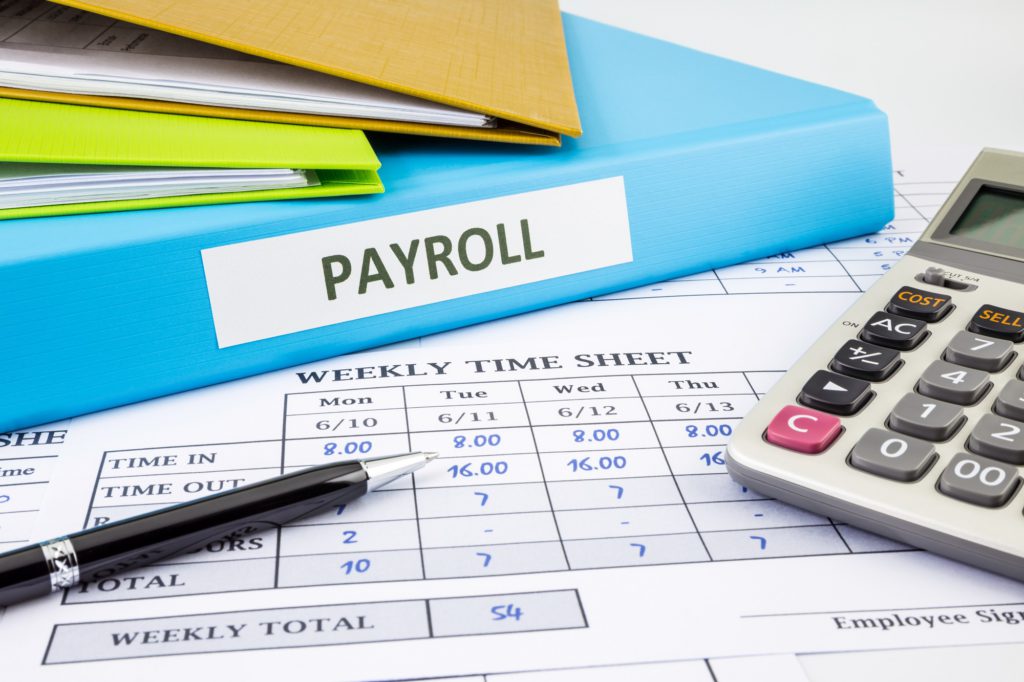
Back in October 2022, we shared the news that PAYE payments can now be paid to HMRC via Direct Debit in a similar way to VAT payments. But recent reports suggest the system is enduring some teething problems which have resulted in firms receiving incorrect penalties for non or late payment or paying twice to try and avoid penalties.

It’s now three years since the onset of covid. Little did we know that the stay at home order of March 2020 would herald the biggest shakeup of working routines and practices since the industrial revolution. Not even the invention of the computer or the internet had the same scale of impact on where and how we work.

The number of companies collapsing into insolvency towards the end of 2022 increased significantly. Having already seen 1,948 businesses closing down in October, the November figure was even higher with 2029 shutting up shop. As well as showing an increasing trend for the year, these figures also represent an alarming jump year-on-year and also when we look back to pre-pandemic statistics.

The Insolvency Service has reported that corporate insolvencies are up by more than two-thirds on this time last year as economic pressures continue to rise. Up 67% on the same time last year, the July figures also show that the overall rate of insolvencies is up 27% compared to 2019.
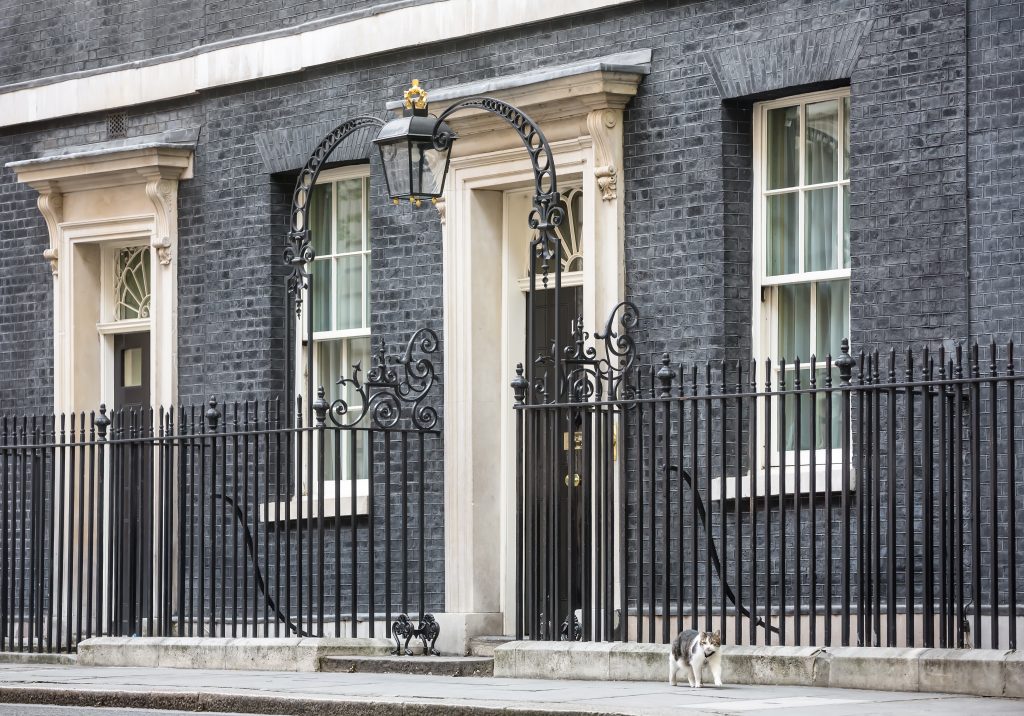
So, now we know who the winner of the Conservative Party Leadership race and new Prime Minister is, what can we expect from them in terms of tax and spending?
As the runners and riders begin to line up, one thing is for sure, the subject of taxation will play a key part in the election process as each candidate tries to woo their colleagues and prove that they truly are a Conservative Prime Minister.
So far in June every piece of news seems to have been reporting record highs or lows in economic data. Interest rate rises, low unemployment, rising inflation, high job vacancies, negative wage growth and slow or negative GDP growth tell their own stories but collectively give a very mixed picture pointing to a faltering economy.

As the world began to recover from the Covid pandemic, the impact on global shipping came into sharp focus. With medical supplies and PPE using up vast amounts of the capacity for an extended period, combined with major lockdowns of entire regions and ports in China; the availability of shipping containers, space on board ships and the cost became key issues.
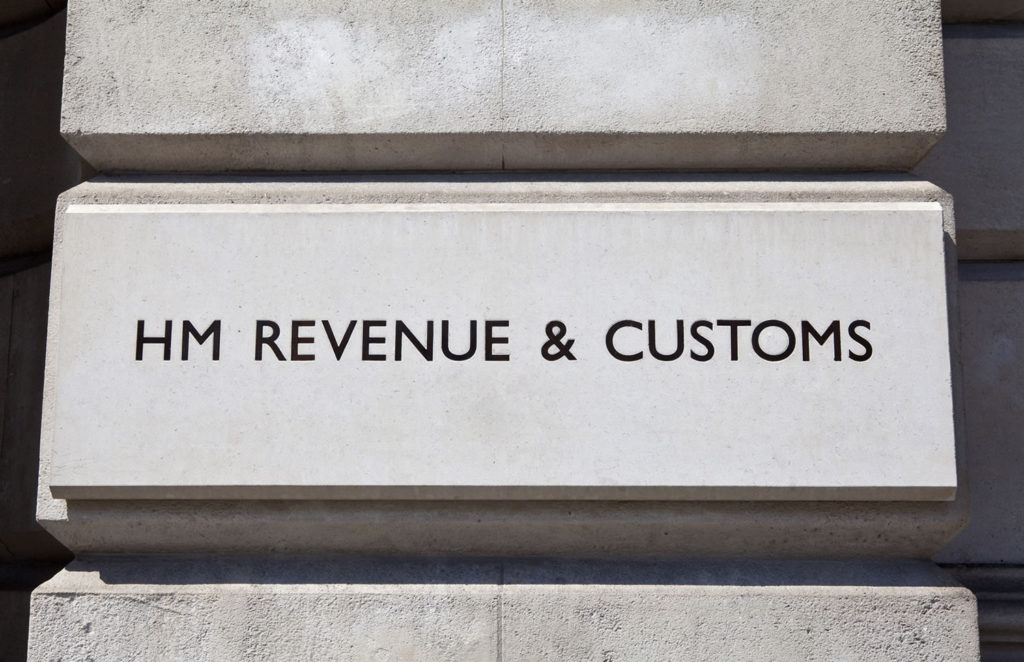
HMRC has announced that it will be closing its telephone lines for 3 days during December, to redirect staff time into dealing with a backlog of letters and queries. The phone lines are those primarily dealing with VAT and Corporation tax queries but other services may also be affected as the department tries to deal with a backlog that has built up during the pandemic.