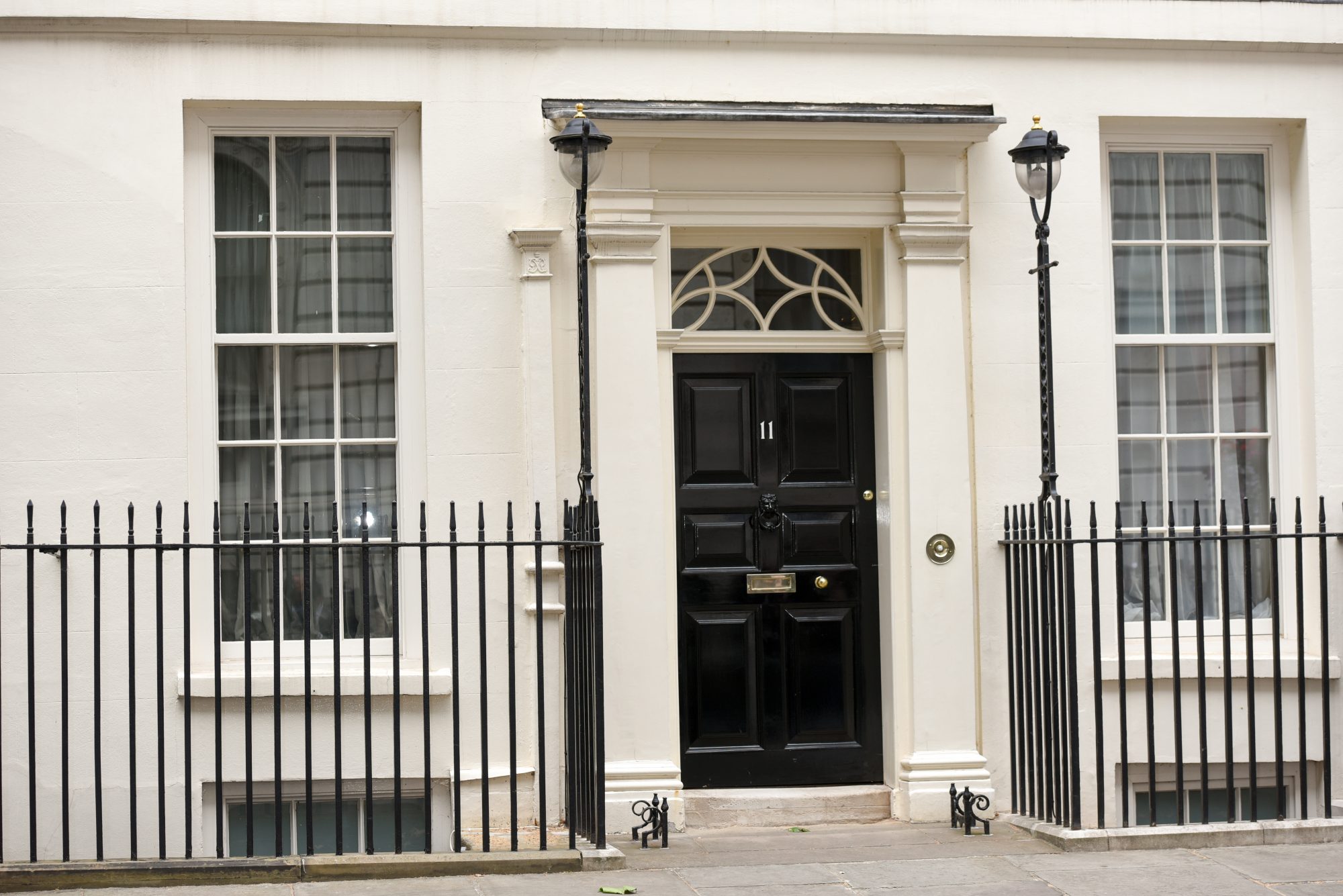
With the Autumn Budget fast approaching, Chancellor John Healey faces a difficult balancing act. With pressure on public finances, persistent inflation and demands for increased government spending, there’s not a lot of room for tax giveaways. But could there be a rethink of some of the admin burden facing SMEs? Here are five areas worth watching:
1. Could Making Tax Digital be scrapped?
Making Tax Digital (MTD) has brought significant changes for sole traders and landlords, with many questioning whether the additional administration is justified. The first phase of MTD began in April 2026 for those with qualifying income above £50,000. From April 2027, the threshold is due to fall to £30,000, bringing thousands more into the system. Although delays or simplifications would be welcomed by some businesses, there’s currently no confirmation that MTD will be abandoned. For now, it’s better to continue preparing rather than relying on a possible change of direction here.
2. Will business rates offer some relief?
Business rates remain a significant expense, particularly for those in retail and hospitality. There’s some speculation about further relief, including changes that could benefit smaller premises, so it’s worth looking out for an indication of whether the Government intends to ease pressure on businesses already struggling with higher operating costs.
3. What about the cost of employing people?
Rising employment costs remain a major concern for SMEs, with employers facing difficult decisions about recruitment, wages and investment. Business groups have called for changes to employers’ National Insurance to encourage recruitment, particularly among younger workers. Any announcement offering relief could be welcome news. Meanwhile, there are already extra pressures with mandatory payrolling of certain benefits in kind from April 2027, adding another factor to payroll planning.
4. Could investment and business sales become more expensive?
Changes to Capital Gains Tax (CGT) have been widely discussed. Although the Chancellor has rejected calls to align CGT rates with Income Tax rates, if you’re planning to sell, restructure or pass on your company it’s worth keeping a look out for any changes. And if you’re considering equipment purchases do review the capital allowance changes already introduced in 2026 and plan how these affect investment decisions.
5. Will HMRC increase its focus on compliance?
With pressure to raise revenue without increasing headline tax rates, HMRC’s efforts to tackle non-compliance might be a key focus. Increased scrutiny of business records, employment arrangements and tax reporting could mean additional pressure for SMEs.
We’ll share our analysis of the Chancellor’s announcements, following his speech later this month, to help explore what the Autumn Budget could mean for your business.